

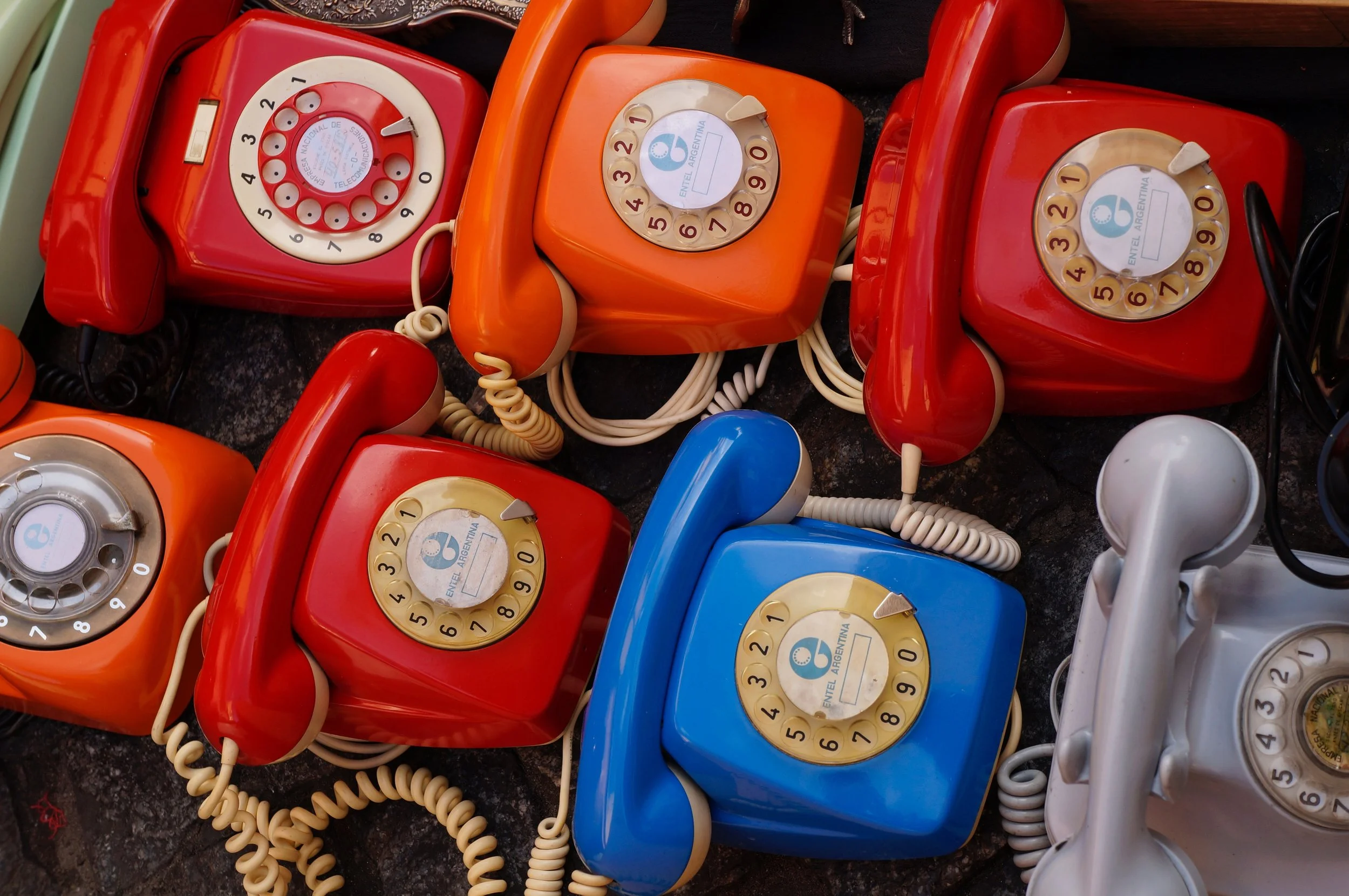
New technologies often emerge slowly, existing alongside current ones. For example, in the field of communications, the telegraph didn’t make the postal system obsolete. People just used them for different purposes. Similarly, newspapers used telegraphs to send and receive urgent information from reporters in the field. However, political commentary and human interest stories could be transmitted more affordably via the post office. Today, disruptive technologies do often immediate make older tech obsolete. Let’s look at a few examples of technologies that may become obsolete in our lifetimes.
Traditional TV and Radio
Both traditional radio and TV are quickly changing and becoming unrecognizable from their original forms. Millennials spend most of their time watching reality television or specific content available online through providers like Netflix and YouTube. Satellite radio can be broadcast all over the planet, making it hard for local stations to compete unless they differentiate themselves by concentration on local content and catering to regional tastes and businesses.
Goodbye Wires
Baby boomers and some millennials are old enough to recall a time before cell phones and Bluetooth technology. Smart devices are rapidly creating a wireless world of communication and entertainment. Many appliances will require direct connections to power sources for the foreseeable future. Others, such as your printer, keyboard, mouse and phone, can already communicate with one another wirelessly. The latest chargers let you park your phone on them without a direct connection. As the Internet of Things continues to develop, this capability is likely to revolutionize the way our homes and appliances are powered too.
Devices the Smartphone Has Replaced
Smartphones seem to be getting smarter all the time. Many devices are probably gathering dust in cellars and attics thanks to the expansive capability of that rectangular device you carry in your purse or pocket. People use game consoles, cameras and even laptops far less frequently than they used to. Within 50 years, many of these items may not be around at all.
Even the ubiquitous cell phone is likely to be replaced by more intuitive tech, such as smartwatches and glasses that are fashionable as well as useful. It’s not inconceivable that microchips hooked into our nervous system may one day make all these devices obsolete.
ChatBots and Automated Systems Replacing Humans
It’s no secret that robots are replacing a lot of customer service representatives. Automated operators and endless prompts are nobody’s idea of a good time. However, the customer experience is improving rapidly at all levels. That’s thanks to artificial intelligence and machine learning that make robots smarter as they learn more about the types of questions callers and clickers are likely to have.
The first casualties are smart chatbots have been customer services reps mostly following a pre-determined script. Algorithms are nearly as effective at weeding out a large number of calls and chat requests. Hopefully, humans will always be available to sort things out when customers have complex questions or prefer a dynamic interaction to help them solve their problems.
Cable Companies
Cable companies continue to see declines in their cable customer base. Many users keep their accounts solely for internet access, while others bail in favor of ISPs and cheaper providers, such as local phone carriers. In the same way that network TV coincide with cable outlets, cable outlets are now competing with the endless variety of content available via Netflix, Hulu, YouTube and many other platforms and podcasts.
A decentralized model is likely to emerge as content providers cater to more and more narrowly defined segments. That’s good news for customers, although the business model is likely to grow quite complex for providers.
The saying that times are changing has always been used to describe and cope with periods of rapid change. However, since the world has moved into the digital age, the adjustment periods have shrunk and consumers are faced with a never ending, and sometimes baffling, set of improvements and new tech. This means that the number of objects that become obsolete may increase exponentially in your lifetime — whether you’re ready or not!
ABOUT THE AUTHOR: NANCY PECKHAM
Nancy began her career in telecommunications in 1983 as an account executive with Republic Telecom, a regional long distance carrier. She was named district sales manager for the Wisconsin region in 1987 when Republic Telecom was acquired by Mid American Communications. She recognized a need for independent, objective telecommunications consulting which led her founding Valicom. Since its launch in 1991, Valicom has been a leader in providing telecom expense management solutions and serves enterprise and mid-market clients in a variety of industries and verticals across the U.S. Nancy earned a bachelor’s degree in psychology from the University of Wisconsin-Madison, founded and served as president of the Telecommunications Professionals of Wisconsin (TPW) from 1989-1992, and was executive vice president on the board of directors of the Society of Telecommunications Consultants (STC). Nancy is also a founding member and executive council chair of the Independent Telecommunications Expense Management Association (i-TEM).